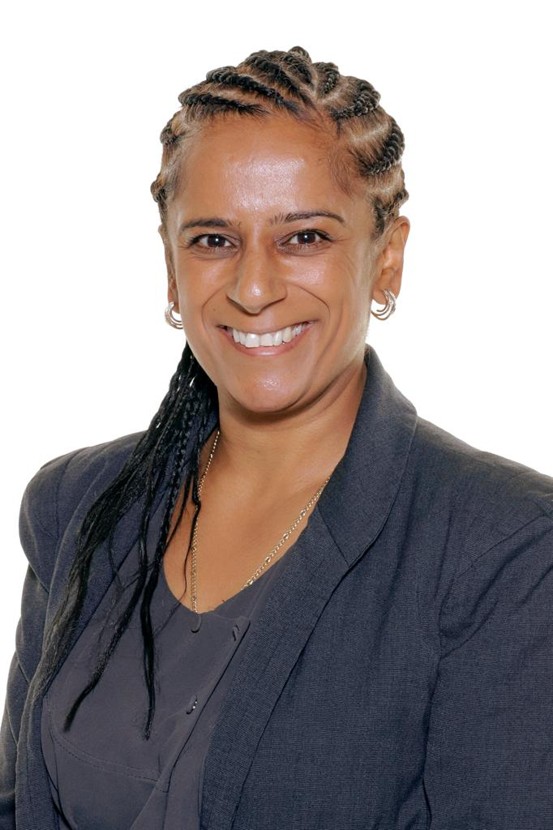
Our education system is strongest when every teacher, leader and student can see themselves represented — and can thrive. This series shares the lived experiences of teachers and leaders from underrepresented groups across schools and further education. Their stories are motivating and deeply human: they celebrate successes, confront challenges, and offer practical insight drawn from real journeys through the profession.
By amplifying these voices, we aim to inspire those already working in education, support the sharing of meaningful best practice, and encourage others to join a profession that needs — and values — them. The DfE is committed to building a diverse, representative workforce where everyone belongs. These case studies show what that can look like in action.
Introduction
Education has the power to transform lives, but the journey to leadership in this sector is rarely straightforward—especially for those navigating cultural and systemic barriers. In this case study, I share my personal story: from growing up in East London to becoming an Executive Headteacher, and the lessons I’ve learned about resilience, ambition, and representation along the way.
First steps into teaching
I was born and raised in East London, in the borough of Newham. At school, I studied A-levels in law, business studies, and maths, but like many young people, I didn’t really know what I wanted to do. Sport was always my passion, so I pursued a degree in Sports Science at Brunel University. After graduating, I expected a good job and salary straight away—but reality was different. Unsure what to do, I decided to keep following my passion in sport, and that led me to apply for a PGCE. Twenty-five years later, I’m still in education, and I don’t regret it for a second.
The reality of teaching
Teaching is hard, but I’ve always believed that strong relationships with children are at the heart of what we do. Over the years, I’ve seen how much children have changed—their resilience and attention spans are very different now, and mental health is a huge part of the job. Adapting to that has been key.
Ambition and career progression
My career started as Head of PE and Gifted & Talented in Newham, but I wanted more. Ambition and drive—qualities I credit to my sporting background—pushed me forward. I moved to Hackney, took on multiple leadership roles, and kept seeking opportunities. Leadership didn’t come to me; I had to go to it. That was a big lesson.
Barriers and bias
My journey wasn’t without barriers. In my mid-20s, I didn’t understand the role race and cultural bias played in leadership progression. I only began to see it clearly in my 30s and 40s. Despite strong applications, qualifications—including NPQH and NPQEL—and years of experience, I wasn’t getting shortlisted for senior roles. It was frustrating and disheartening. Over time, I learned to be bolder, to challenge processes, and to ask direct questions about fairness. I even moved out of London to Kent for my first headship because opportunities in London were limited.
Lessons in resilience and leadership
Headship brought incredible highs and lows. One of my toughest experiences was closing a school in Tottenham due to falling rolls. Managing redundancies and supporting a community through closure was something no PGCE prepares you for. It tested every ounce of resilience I had. What helped me through was self-belief, leadership coaching, and my commitment to fitness—CrossFit and badminton have been my therapy and my anchor.
Why representation matters
Representation matters deeply to me. I’ll never forget a moment in Tottenham when a Year 3 girl looked at me and said, “You’re going to be our headteacher? For real?” That reaction reminded me why diversity in leadership is so important. Children need to see people who look like them in positions of influence—it gives them hope and ambition.
Facing discrimination head-on
I’ve faced uncomfortable situations too. During the pandemic, I walked into an interview with nine white males on the panel and was asked, “What can an Asian woman like yourself bring to a school like ours?” I challenged it, saying, “When I start using my ethnicity and the colour of my skin as an excuse, I’m in trouble. I am not a victim.” That moment stays with me. Conversely, I’ve also experienced interviews where diversity on the panel made me feel safe and valued. Those contrasts speak volumes about the work still needed in our sector.
Looking ahead
Today, I’m moving into an Executive Head role for two special needs schools in Essex—a new challenge I’m excited about. Focusing on doing the best within the field of special education feels is an important part of the future of education, and I want to be part of shaping it. Alongside this, I’m proud to serve as a London representative for NAHT’s Leaders for Race Equity, working to create networks and support systems for leaders from diverse backgrounds.
A journey to inspire others
My story is one of persistence and purpose. Education is not just about teaching—it’s about breaking barriers, building trust, and creating opportunities for others to thrive. As I step into my new role, I carry with me the belief that representation matters and that every child deserves to see themselves reflected in leadership. If my journey can spark ambition in others, then I know I’ve made a difference.
We want to ensure all teachers have access to and stay up to date with best practice in high quality continuing professional development at every all stages of their careers, enabling them to constantly improve their practice so every child in every classroom gets the best start in life. giving them the expertise and support needed to deliver high-quality teaching. National Professional Qualifications (NPQs) are re flexible professional development courses for teachers and leaders to:
- improve skills
- progress careers
- deliver improved outcomes for schools
The Department for Education (DfE) pays the NPQ course fees of some teachers and leaders. This is called scholarship funding. Once you’ve chosen an NPQ course and a course provider, register for an NPQ to check if you’re eligible for scholarship funding. Recruitment for the autumn 2025 NPQ cohort has now closed. Guidance on funding for the autumn 2026 NPQ cohort will be published in spring 2026. As of July 2025, there have been over 130,000 funded NPQs started since the reforms in autumn 2021, reaching over 19.9% of the teacher workforce.
Recent Comments